A practical used car viewing and test-drive worksheet
Plan a safe viewing, check fit and controls, record symptoms precisely, and hand useful observations to an independent inspector.
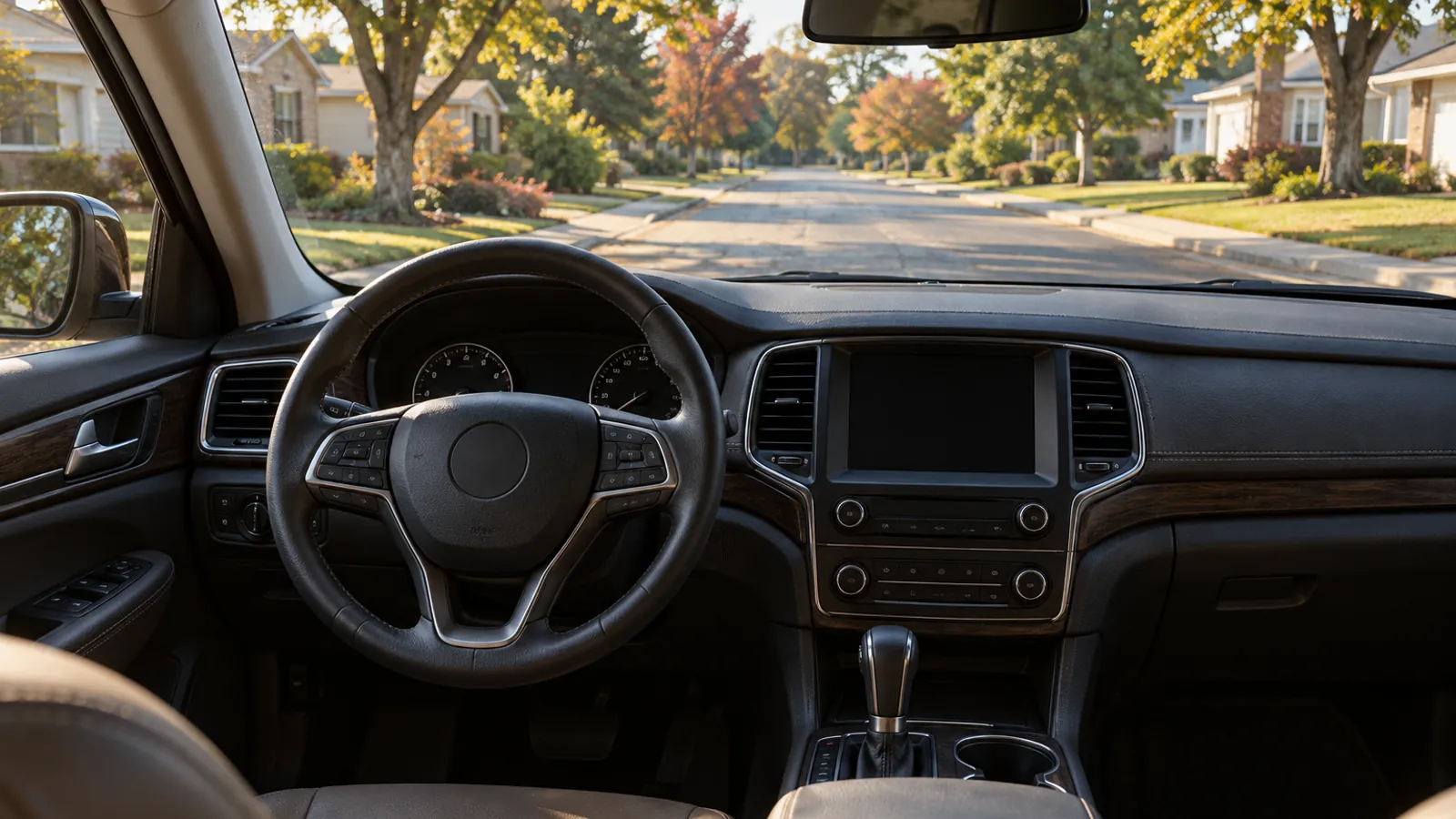
Use a test drive to check practical fit, operate normal controls, and record observations for an independent inspector. It is not a substitute for a mechanical assessment. Arrange permission and suitable insurance, follow traffic laws, and stop if the car appears unsafe. You do not need aggressive braking, high-speed maneuvers, or risky experiments to decide whether a candidate deserves further investigation.
Prepare the viewing before arrival
Ask for a daylight appointment where you can walk around the car safely. Confirm the VIN, seller identity, permission to drive, and any requirements for insurance or identification. Bring your short specification list and the questions raised by records. Agree the route and duration with the seller. If you need to test cargo or passenger fit, bring the relevant measurements or permitted equipment rather than guessing from exterior dimensions.
Leave enough time to inspect the car while stationary and to discuss concerns afterward. Avoid allowing time pressure or weather to eliminate the checks that matter to you. Do not give a stranger unrestricted copies of sensitive documents simply to arrange a meeting. Use sensible personal-safety arrangements for a private viewing and verify unexpected changes of location, vehicle, or payment recipient before proceeding.
Walk around and check fit first
Compare the VIN and vehicle details with the listing and documents. Look for visible differences worth discussing, but do not diagnose structural repairs from paint appearance alone. Photograph concerns with permission. Check access, seating position, visibility, mirrors, storage, and whether your intended passengers and cargo can be accommodated safely. A car can be mechanically acceptable and still fail your daily-use requirements.
Operate normal features while parked where appropriate: windows, locks, climate controls, lights, seat adjustments, and infotainment functions important to you. Avoid pairing accounts or leaving personal information in a car you do not own. A feature you cannot demonstrate should remain unverified. Ask the seller about warning messages and missing accessories, and put important items on the inspection briefing rather than accepting a casual explanation.
Record startup and normal driving observations
Where safely possible, observe the normal startup process without touching unfamiliar components. Note dashboard messages and whether the seller has already warmed the vehicle. A warm engine is not proof of a problem, but it may mean you have not observed a cold start. Ask the inspector whether an additional check is needed. Do not open hot cooling systems or touch high-voltage components.
| Observation | Record specifically | Do not conclude |
|---|---|---|
| Noise | When, speed, location, conditions | A particular component has failed |
| Vibration | Stationary or moving; steering or body | The repair is simple or cheap |
| Warning message | Exact message if safe to capture | A reset will fix it |
| Pulling or braking concern | Conditions and behavior | The car is safe to keep testing |
| Feature not working | What was attempted | It is only a fuse or software issue |
Keep attention on driving. Have a companion take notes when appropriate, or stop safely before recording them. Never use a phone while driving to document symptoms. If a concern affects control or safety, end the drive and seek professional assessment.
Make the route relevant to your use
Use ordinary roads that safely represent your likely driving, within the seller’s permission and legal limits. Assess visibility, comfort, parking, and normal acceleration and braking. A short urban loop may not reveal how comfortable the car is for your commute, but extending a drive should be agreed rather than assumed. Do not perform improvised mechanical tests that could damage the car or endanger others.
For unfamiliar powertrains or controls, ask for the normal operating procedure before driving. Regenerative braking, assistance features, and different transmission behavior can require orientation. Do not rely on a driver-assistance feature to compensate for unfamiliarity. A demonstration from the seller is not evidence that every system has been calibrated correctly or will work in all conditions. Ask a qualified inspector about system-specific questions.
Debrief and decide the next step
After parking, review your observations against the must-have list. Separate personal preferences from possible defects. An uncomfortable seat is a fit issue even if nothing is broken. A steering vibration needs assessment even if the seller calls it normal. Send the concise observation list to the inspector and ask whether the booked scope can investigate it. Do not convert a seller’s diagnosis into a confirmed repair estimate.
Use the inspection guide for the next appointment and trim verification for equipment differences. Return to the buying plan if new information changes the shortlist. Keep the before-you-pay checklist focused on evidence, not just completed visits. If the car is unsuitable or you remain uncomfortable with its safety, you can end the process without making an offer.
Continue in this section
- A used car buying plan: shortlist to handover
- How to book and use a pre-purchase inspection
- What to check before signing and collecting a used car
FAQ
Is a smooth test drive enough to buy?
No. A brief drive cannot establish title status, reveal every defect, or predict future reliability. Combine it with records, an appropriate independent inspection, and clear purchase documents. Some problems require specialized testing or more time than a viewing allows.
Should I test emergency maneuvers?
No risky maneuver is needed for this worksheet. Drive normally and legally, and let a qualified professional assess concerns using appropriate equipment and methods. End the drive if you suspect the car is unsafe.
What if the seller says a noise is normal?
Record the claim and the circumstances of the noise, then ask an independent inspector. It may be normal or may need work, but an unverified explanation should not be treated as a diagnosis. Clarify it before committing.
Sources
- NHTSA road safety — safe driving information.
- FTC used car buying guidance — inspecting the vehicle before purchase.