Buying a used car from a private seller: a verification plan
Plan seller authority, liens, payment, inspection, and state transfer requirements before paying for a privately sold vehicle.
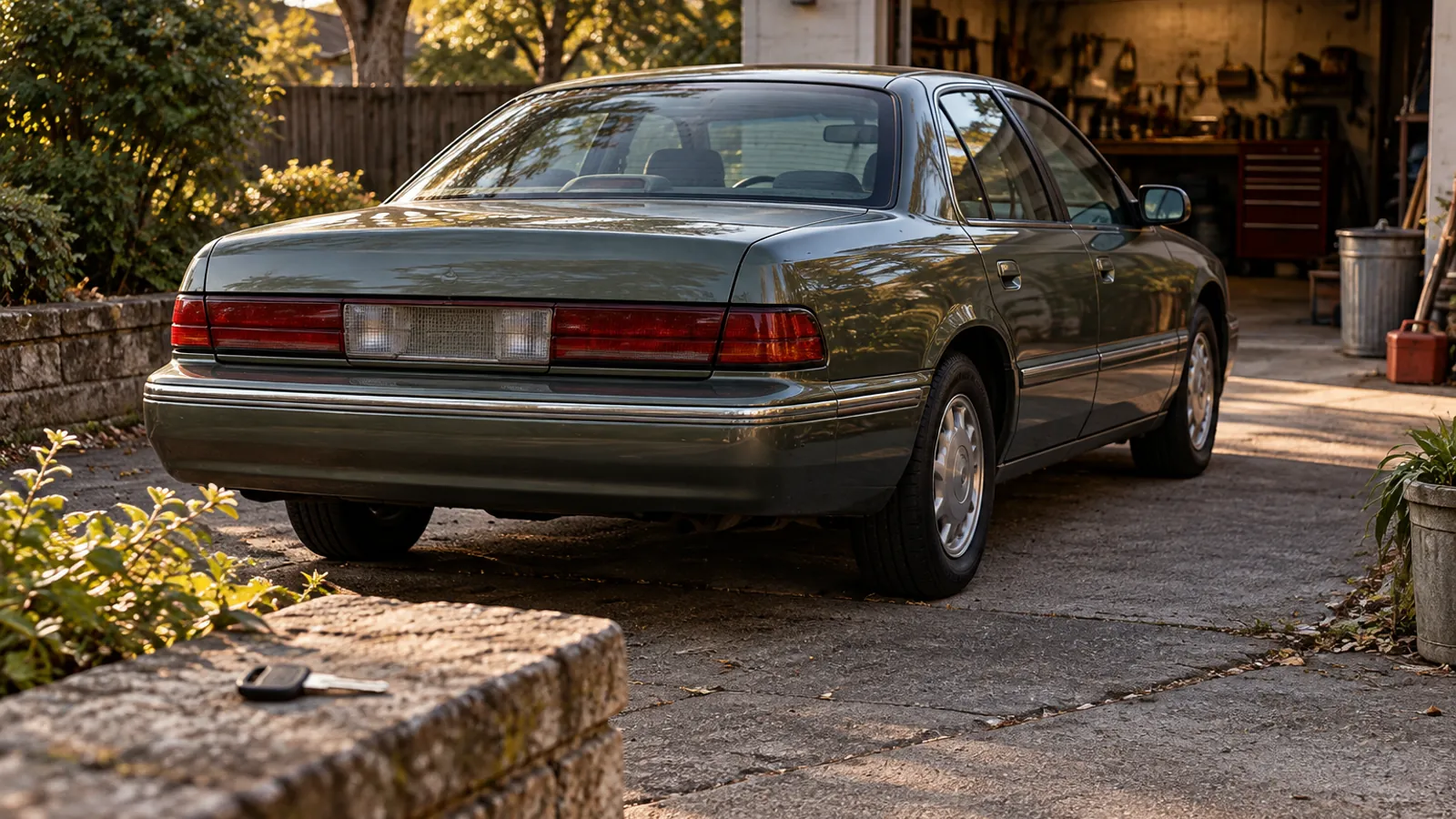
For a private used car purchase, establish who can sell the vehicle, what is required to transfer ownership, and how payment and any lien release will be coordinated before sending money. Use the relevant state motor vehicle agency’s instructions. A history report, bill of sale, or photograph of a title alone does not resolve every ownership question. Keep condition checks separate from the transfer process.
Verify the seller’s relationship to the car
Ask how the seller acquired the vehicle, whether the title is in their name, whether anyone else must sign, and whether a lien exists. Compare the vehicle VIN with the documents. If the seller is acting for another person, an estate, a business, or an owner who is unavailable, ask the responsible agency what authority and documents are needed. Do not assume that possession of the keys establishes permission to sell.
Use official contact details found independently rather than a number or link supplied only by the seller when verifying an agency or lender. Avoid collecting more identity data than necessary. A private seller also has legitimate privacy concerns; the goal is a verified transaction process, not unrestricted copies of personal documents. If the seller cannot provide a coherent ownership explanation, stop until the relevant agency clarifies what is required.
Investigate title and lien status early
Ask the motor vehicle agency how to check the current ownership and lien information available to a buyer. Read any title brands and compare the record with the seller’s explanation and available history. State definitions, transfer procedures, and required forms can differ. An out-of-state car may add registration, inspection, tax, or eligibility questions. Resolve those before treating the vehicle as ready to drive home.
If a loan is outstanding, coordinate with the lienholder using verified instructions. Ask how payment, release, and title delivery work and what each party will receive. Do not assume a seller’s promise to pay later protects your ownership position. A release document may also need to meet particular state requirements. Seek qualified advice when a lien, title discrepancy, or unusual ownership arrangement remains unclear.
Inspect and negotiate independently
Arrange an independent inspection with permission from the seller. Ask for available maintenance records and explanations of known damage or warning messages. A private transaction does not make the mechanical review less important. Build your offer from comparable alternatives and documented findings rather than assuming a private price is automatically a bargain. Keep important seller statements and any agreed conditions in writing.
| Before payment | Verify | If missing |
|---|---|---|
| Vehicle identity | VIN on car and documents | Do not proceed on a substitute identifier |
| Seller authority | Required ownership/authority evidence | Ask the motor vehicle agency |
| Lien process | Verified lender instructions | Delay completion |
| Condition | Appropriate independent inspection | Reassess risk or decline |
| Purchase terms | Price, included items, agreed conditions | Clarify before signing |
| Transfer steps | State forms and deadlines | Obtain official instructions |
The checklist helps organize evidence; it does not determine whether a particular title or document is legally sufficient. Avoid giving a general online checklist more authority than the actual agency handling your transfer.
Plan payment and handover as one process
Discuss the sequence before meeting: document review, signatures, payment verification, lien handling, keys, and possession. Confirm a payment method with the relevant financial institutions and understand when funds are verified. Screenshots and emailed confirmations can be misleading. Unexpected instructions to pay a different person, use a new account, or send a fee to release the vehicle deserve independent verification before any transfer.
Do not rely on a supposed escrow or shipping service solely because it has a professional-looking website. Verify its identity and role independently, especially when the car cannot be viewed. Consider whether the transaction is becoming more complicated than the vehicle justifies. A refusal to permit normal verification is enough reason to stop; you do not need to prove a crime before declining a purchase.
Complete the paperwork and keep records
Use the forms and signing instructions required by the applicable state. Check the VIN, names, sale amount, odometer information where required, signatures, and dates before submission. Keep complete copies of documents you are entitled to retain and evidence of payment and lien resolution. Confirm insurance before taking possession and understand any permit, plate, registration, inspection, or tax steps needed for legal use.
Use the buying plan to coordinate the process, independent inspection guide for condition, and out-the-door budget for acquisition costs. Title brands and official sources help identify the right questions. A disputed ownership claim, suspected fraud, or unclear contract deserves advice from the responsible agency or a qualified legal professional before you commit funds.
Continue in this section
- A used car buying plan: shortlist to handover
- How to book and use a pre-purchase inspection
- What to check before signing and collecting a used car
FAQ
Is a bill of sale enough to register the car?
Do not assume so. Required documents depend on the state and vehicle situation. Ask the registering motor vehicle agency before paying, particularly if the title is missing, branded, out of state, or subject to a lien.
What if the seller is not named on the title?
Ask why and verify the required authority through the appropriate agency. Some legitimate situations require additional documents, but a verbal explanation is not enough to establish that your transfer can be completed. Pause until the process is clear.
Should I pay before the lien is released?
Do not improvise the sequence. Coordinate with the verified lienholder and state agency so you understand how payment and release will occur. Seek professional assistance if the arrangement leaves you exposed to unresolved ownership or debt.
Sources
- USA.gov state motor vehicle services — locating the responsible state agency.
- DOJ NMVTIS buying tips — vehicle-history and inspection research.