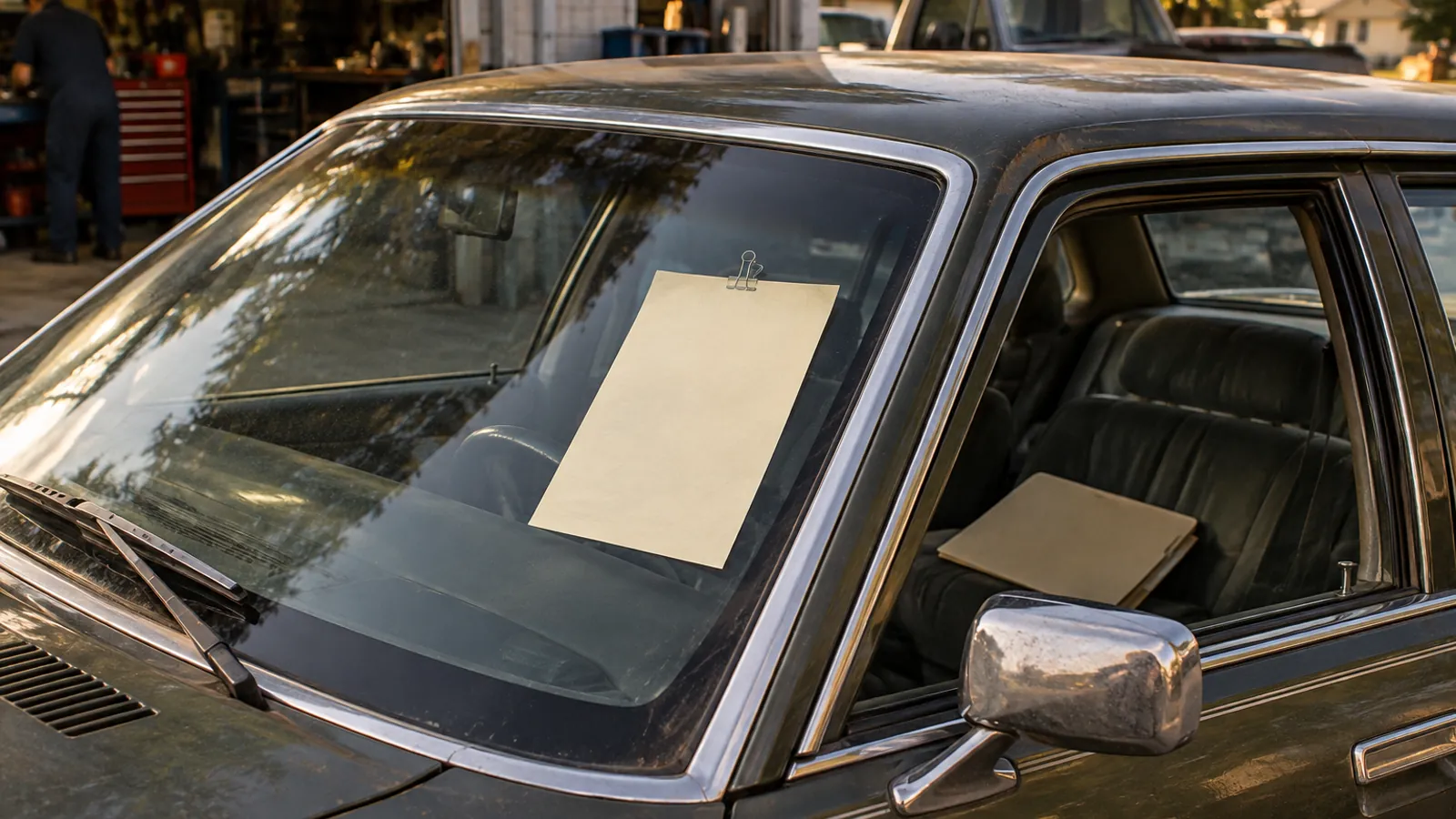
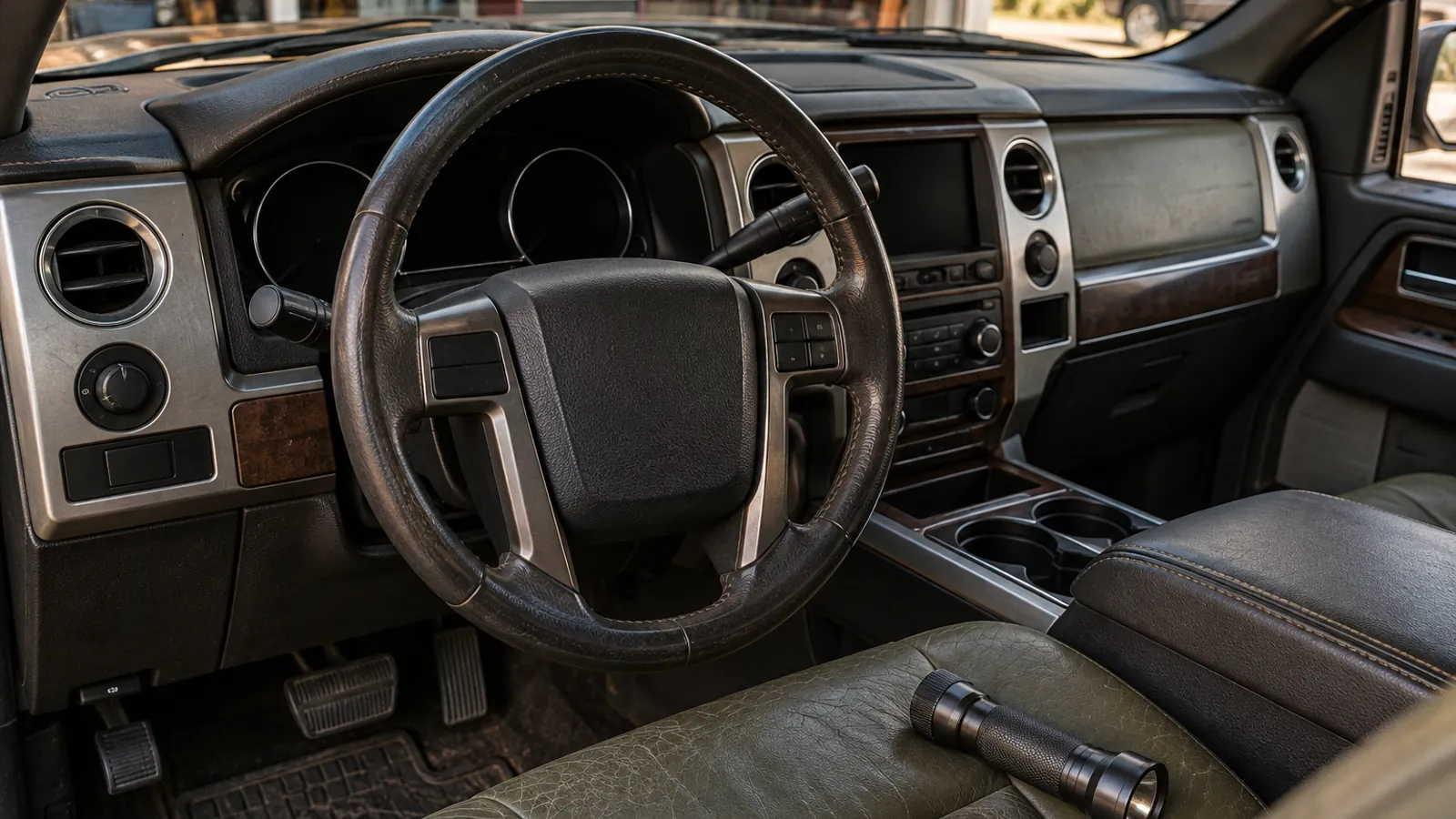
Flood-damage concerns: why records and appearance are not enough
Recognize reasons to pause, seek an appropriate specialist, and avoid treating a clean report or fresh interior as proof against water damage.
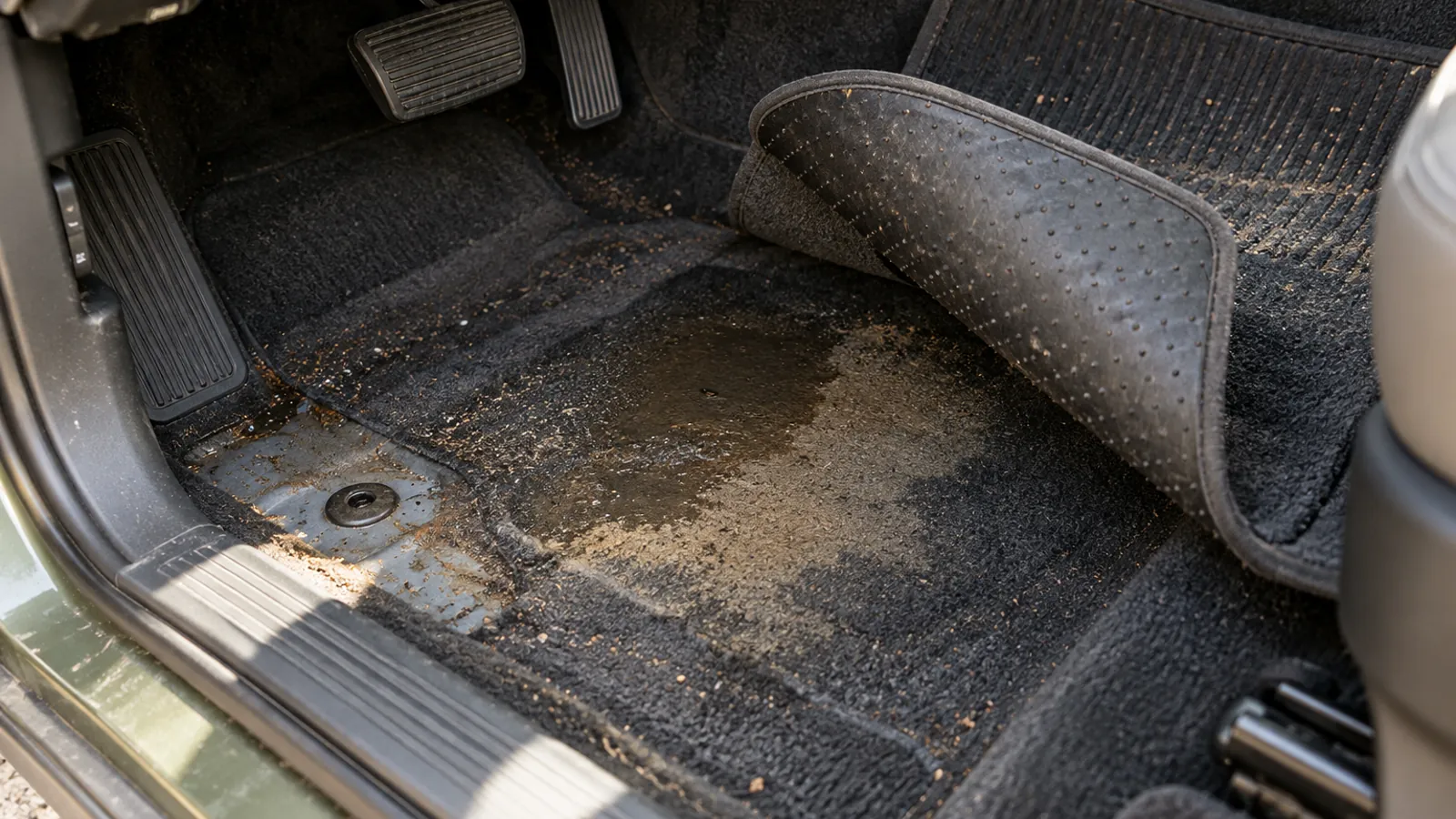
If you suspect flood exposure, pause the purchase and obtain an assessment suited to that concern. A clean-looking interior or a report without a flood entry cannot establish that no water damage occurred. Ask for the vehicle’s records, title history, repair documentation, and a qualified independent evaluation. Do not start, drive, charge, or handle a vehicle you believe may present an electrical or other safety hazard.
Understand why the question travels beyond the flood area
A car can be sold far from where it was previously used or damaged. The seller’s current location alone does not establish its history. Review available title jurisdictions, dated records, and seller explanations without assuming that every car from a storm-affected state was flooded. Equally, a vehicle currently advertised elsewhere should not be treated as automatically outside the concern.
Keep the question specific: what evidence exists for this VIN, what work was done, and what remains unknown? Broad geographic suspicion is not a diagnosis. A clean summary is not proof of absence. Ask the seller about water exposure directly and retain important statements in writing. If the account changes materially or the seller will not allow appropriate inspection, you can decline the vehicle rather than trying to calculate a compensating discount.
Recognize warning signs without diagnosing from them
NHTSA identifies possible indicators such as musty odor, mud or waterlines, and unusual corrosion. Strong fragrance, fresh trim, or an unusually clean interior may prompt questions but do not prove concealment by themselves. Ask an independent professional to inspect accessible areas and explain what the observations support. Do not dismantle a seller’s car or touch electrical components yourself in search of proof.
An absence of obvious signs is also limited evidence. Detailing and repairs can change appearance, while some problems may develop later. A short test drive cannot assess every electrical connection, hidden cavity, or safety-system concern. Agree an inspection scope that addresses suspected water exposure, and recognize when the available examination cannot provide enough confidence for your purchase decision.
Review records and title history together
Obtain the full available history report and check current title information and prior brands. Ask for repair invoices and any photographs the seller can legitimately provide. A report entry should be read precisely; do not infer a particular water depth or damaged component from a broad label. When records conflict with the advertisement, ask the relevant source and agency for clarification before proceeding.
| Evidence | Question | Limit |
|---|---|---|
| Title history | Was a relevant brand recorded? | State terminology and reporting vary |
| Commercial report | What events were supplied? | Not every event is reported |
| Repair invoices | What work is documented? | Do not prove every hidden issue is resolved |
| Specialist inspection | What can be observed and tested now? | Scope and access remain limited |
| Seller explanation | Is it consistent with evidence? | An assertion is not independent verification |
Keep each source’s scope visible. Do not let a favorable answer in one column erase unresolved questions in another.
Treat hybrid and electric concerns as specialist work
Water exposure involving high-voltage systems can create serious hazards. NHTSA’s flood guidance warns about damaged electric-vehicle batteries and directs owners to professional help. As a prospective buyer, do not open, probe, disconnect, or attempt to charge a suspect system. Ask a suitably qualified professional and follow the manufacturer’s safety instructions for the exact vehicle. A generic inspection may not be equipped for the issue.
Do not ask a seller to demonstrate a potentially hazardous car merely to reassure you. If there is a current safety concern, stop the viewing and seek appropriate guidance. This article does not provide a safe-distance rule for every situation or authorize a recovery procedure. The current official instructions, emergency responders where needed, and trained professionals should control the response, not a purchasing checklist.
Decide whether the uncertainty is acceptable
Before discussing price, verify registration eligibility, insurance availability, and financing conditions for the exact VIN and disclosed history. Consider whether a suitable assessment and documentation are available at all. A low price cannot establish reliable electronics, safe repair quality, or future insurability. If you cannot resolve the evidence gaps, choose a different vehicle rather than inventing a fixed flood discount.
Use title brands to frame agency questions, history-report reading to organize the timeline, and accident-history pricing to understand why a universal percentage is weak evidence. The inspection guide explains how to agree scope. Seek qualified legal advice if you are dealing with alleged concealment or a disputed sale, and preserve documents rather than making unsupported public accusations.
Think about the practical consequences of a prolonged investigation as well as the possible purchase savings. If specialist access, transport, or diagnostic work is needed, obtain permission and costs before arranging it. Do not let those sunk costs force a purchase afterward. The investigation can succeed by showing that the evidence is still inadequate for your needs, even when it does not produce a definitive account of the exposure.
Continue in this section
- How to read a used car history report without overreading it
- Clean, salvage, and rebuilt titles: questions to resolve first
- Official sources for a used car decision in 2026
FAQ
Does a musty smell prove the car flooded?
No single observation establishes the full history. It is a reason to investigate with appropriate expertise and records. Do not dismiss it automatically, but do not present it as conclusive proof of a particular event either.
Is a fresh interior reassuring?
It may simply reflect normal preparation or replacement, but appearance cannot establish the absence of past water exposure. Ask what was replaced and why, review records, and use an inspection scope suited to the concern.
Can a large discount make the risk worthwhile?
That is not an arithmetic-only decision. Resolve safety, title, insurance, and financing questions first. When the important uncertainties cannot be assessed adequately, declining the car is a valid outcome regardless of the price.
Sources
- NHTSA hurricane and flood-damaged vehicles — warning signs and electrical safety concerns.
- FTC flood-damaged car advice — consumer research starting points.